
Muse named preferred developer for Temple Meads West and St Philip’s Marsh
Major regeneration will deliver 10,000 homes and public realm investment in central Bristol.
14 January 2026
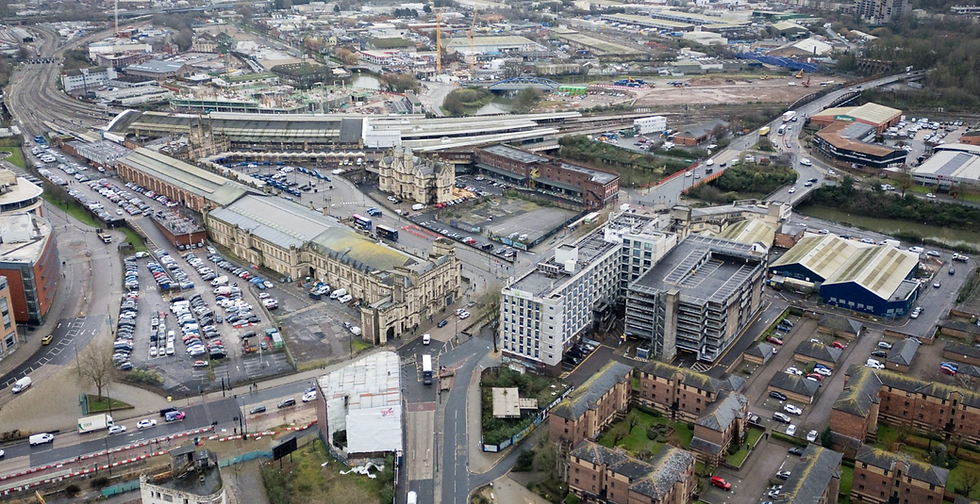
Muse has been selected by Bristol Temple Quarter LLP (BTQ LLP) as the preferred development partner for the transformation of Temple Meads West and St Philip’s Marsh – two key zones within the ambitious 135-hectare regeneration programme in central Bristol.
The appointment follows a competitive procurement process launched in early 2025, with BTQ LLP seeking a partner to deliver a comprehensive and inclusive vision for the Temple Quarter. Muse will now take forward plans to create up to 10,000 new homes alongside commercial space, infrastructure and new public realm in what is considered one of Europe’s most ambitious regeneration schemes.
Muse will lead the first stage of delivery at Temple Meads West, preparing an outline planning application for submission in early 2027. The area includes several key publicly owned sites around Bristol Temple Meads station, including land at the Friary, Temple Gate, Portwall Lane and Lower Station Approach.
In parallel, Muse will support BTQ LLP in shaping long-term plans for the adjacent St Philip’s Marsh area, which is expected to deliver further homes and employment space over the coming years.
Simon Harding-Roots, regional managing director at Muse South, said the development offers “a once-in-a-generation opportunity to create a vibrant new community aligned with major transport investment,” adding that a partnership-led approach is critical to its success.
Significant infrastructure works are already underway at Temple Quarter, including a £23 million eastern station entrance due to open in 2026, the University of Bristol’s £500 million Enterprise Campus, and Network Rail’s £130 million station transformation.
BTQ LLP is a partnership between Homes England, Bristol City Council and the West of England Combined Authority, established in 2024 to oversee delivery of the regeneration, which is expected to add £1.6 billion annually to the regional economy.


.png)