Building the next generation
15th June to 19th June 2026

Ultra-low carbon housing - emerging from niche developments into the mainstream
This week’s stories reveal a property sector increasingly focused not just on delivering space, but on creating the conditions for long-term growth, resilience and better outcomes.
Across regeneration, residential development and operational real estate, the emphasis is shifting from quantity towards quality — whether that means investing in infrastructure, improving resident experience, or rethinking how homes are designed and operated.
One of the week's biggest announcements came from Bedfordshire, where the Government confirmed a £1.3 billion infrastructure package to support the proposed Universal United Kingdom Resort. While much of the attention has focused on the theme park itself, the more significant story for the built environment may be the scale of public investment being directed towards transport and community infrastructure. It is another example of how major regeneration projects increasingly rely on coordinated investment beyond the site boundary to unlock wider economic benefits.
Elsewhere, town centre regeneration remains firmly on the agenda. Plans for the North West Quadrant in Slough continue to move forward, while South Derbyshire approved a new leisure and office development in Swadlincote that will replace ageing facilities with a modern community hub. Both schemes reflect a growing focus on creating places that combine public services, commercial activity and community uses in ways that support long-term vitality.
The operational living sector also continues to evolve. Watkin Jones secured approval for a 400-unit co-living development in Cardiff city centre, adding to the growing pipeline of professionally managed rental accommodation aimed at younger urban residents. At the same time, Quintain Living used its tenth anniversary to announce plans to more than double the size of its management platform, underlining how operational expertise is becoming a major differentiator within the Build-to-Rent market.
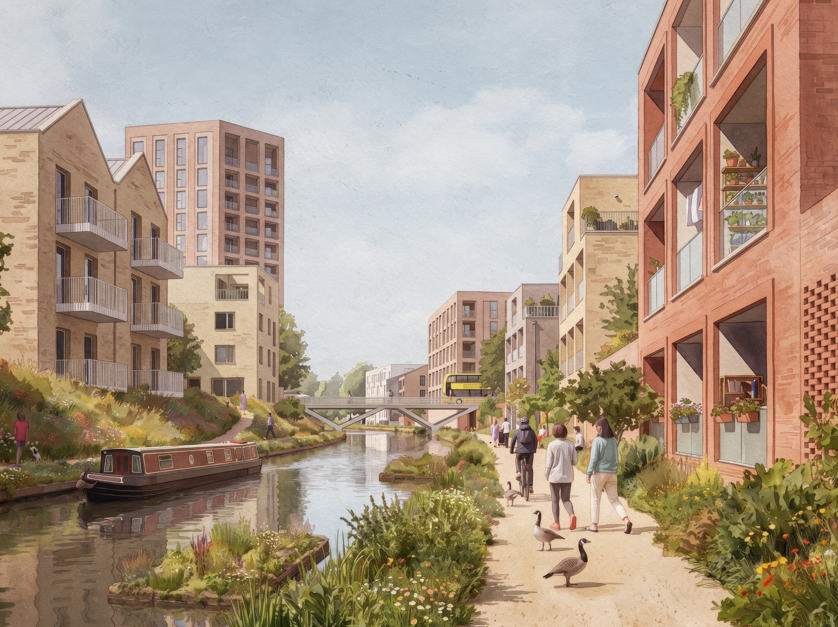
Perhaps the most thought-provoking story this week came from The SectorScope’s own research into ultra-low-carbon housing. Interviews with developers, architects and investors suggest that zero-bills homes and regenerative housing are gradually moving beyond niche developments and into mainstream consideration. While significant challenges remain around planning, procurement and supply chains, the direction of travel appears increasingly clear.
Taken together, these stories point to an industry thinking more strategically about the future. The conversation is no longer solely about delivering more homes, more offices or more development. Instead, attention is turning towards how buildings perform, how communities function, and how developments can create lasting value for residents, occupiers and investors.
One to Watch
Ultra-low-carbon housing. What was once regarded as a specialist corner of the market is beginning to attract serious attention from investors, developers and policymakers. As consumer demand for lower running costs grows and sustainability expectations increase, the move from niche to normal may accelerate faster than many expect.
Risk Radar
Delivery pressures remain. Whether it is major infrastructure investment, regeneration projects or operational living schemes, viability challenges, planning complexity and delivery costs continue to test projects across the sector. The ambition is there, but turning plans into completed developments remains the critical challenge.