Investing beyond the announcement
19th to 23rd October 2026

Huddersfield - building regeneration for the future on a solid present
Investment announcements this week show the importance of regeneration projects that take what’s already there and build into the future from there. This week, Huddersfield’s market redevelopment offers a good example. Willmott Dixon will be restoring the historic hall as part of the project. This will protect an important town-centre building, but its future also depends on giving people reasons to use the space more often.
The expanded food and drink offer is intended to support that change. Events could bring customers into the market outside their usual shopping routines and encourage them to stay longer. Existing traders remain part of the plan, with temporary accommodation allowing them to continue trading during the works. The investment is building the future on a community already there.
Similarly, Digbeth’s proposed creative zone starts from an established economic base. Film and television production is already taking place there, and Homes England’s selection of Digbeth Loc Studios as preferred partner would give that activity room to expand. New housing would become part of a neighbourhood with an identifiable reason for businesses to locate there.
These examples show how successful regeneration can grow from existing roots. Creative businesses need space to develop, while the people working in them need somewhere to live. Bringing those needs into the same development strategy could help investment reach further into local life.
PATRIZIA’s pledge of £1 billion for UK homes is also based on working with existing infrastructure – in this case, political and administrative. The German investment manager plans to work directly with mayors and local partners to channel institutional capital into housing delivery.
The Prime Minister’s welcome gives this development prominence. What will make it consequential is the work that follows to establish those partnerships and bring homes forward. A commitment of this scale deserves attention, with its progress judged over time rather than through the announcement alone.
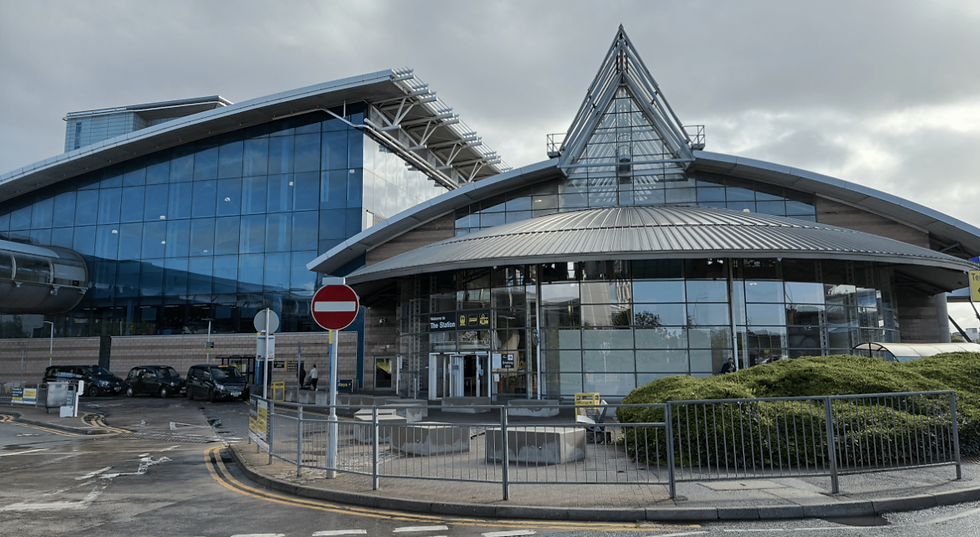
Infrastructure upgrades demand similar patience. The Manchester Airport station upgrade from Network Rail and Kier will take until 2028 to deliver, providing capacity for longer trains and future service growth. That is investment made now for benefits that will emerge later.
Much of the built environment operates on this basis, requiring decisions well ahead of the demand they are intended to serve. This means that businesses supplying the investment – and the work - must look ahead as well. Developing specialist capability takes money and carries risk.
Government policy can encourage firms to make the commitment, particularly in markets where public support is intended to help new technology become more widely adopted.
That is why Nesta’s warning about possible Boiler Upgrade Scheme cuts deserves consideration, even though the reported changes remain unconfirmed. Heat pump manufacturers and installers have been investing in the tech as an area of future growth. Their willingness to continue will depend partly on whether they believe the policy behind that market is dependable.
Nesta accepts that subsidies should eventually become unnecessary. A gradual withdrawal as installation economics improve would give firms a basis for planning. But an abrupt spending reduction could leave them trying to recover investments made under very different assumptions.
The distinction has implications beyond home heating. Government wants private businesses to commit to long-term priorities, often before demand is fully established. Once firms have responded, the way support changes influences their view of the next invitation to invest.
This week’s development stories show organisations prepared to look beyond immediate returns and put resources into the future of established places. Government’s role is to make the surrounding policy sufficiently dependable for businesses to keep doing so. Investment confidence takes time to build, and a spending decision that seems easy now can affect it long after the saving has been booked.
One to Watch: Growth rooted in an existing creative economy
Digbeth offers an opportunity to follow how production activity develops into a wider neighbourhood. The studios already provide a reason for investment to come to the area. The next question is how that expansion supports the businesses and people around them. If local talent can build careers there, creative-led regeneration could have an influence that extends well beyond the new development.
Risk Radar: The cost of changing course
Support for low-carbon technology may be tempting territory for a government seeking savings, particularly when budgets elsewhere are politically harder to cut. The industry has experience of how disruptive that can be. Feed-in Tariff support was drastically reduced in 2016 before the scheme closed to new applicants in 2019.
No BUS cut has been confirmed but the risk is that businesses begin discounting government commitments when deciding whether to invest. Any immediate saving then has to be weighed against the cost of rebuilding confidence and the possibility that firms will be less willing to respond when policy next asks them to expand.