The work before the work
2nd November to 6th November 2026

The BESA Conference highlighted some critical requirements in the Building Safety Act
Anyone in the construction industry knows that a huge amount of work happens before anything moves on-site. This week’s news brings that preparatory work into focus, from the emerging designs for a City tower to the detailed evidence behind a Gateway 2 approval. The BESA Annual Conference added an important point: decisions made later on site must respect the care invested at the outset.
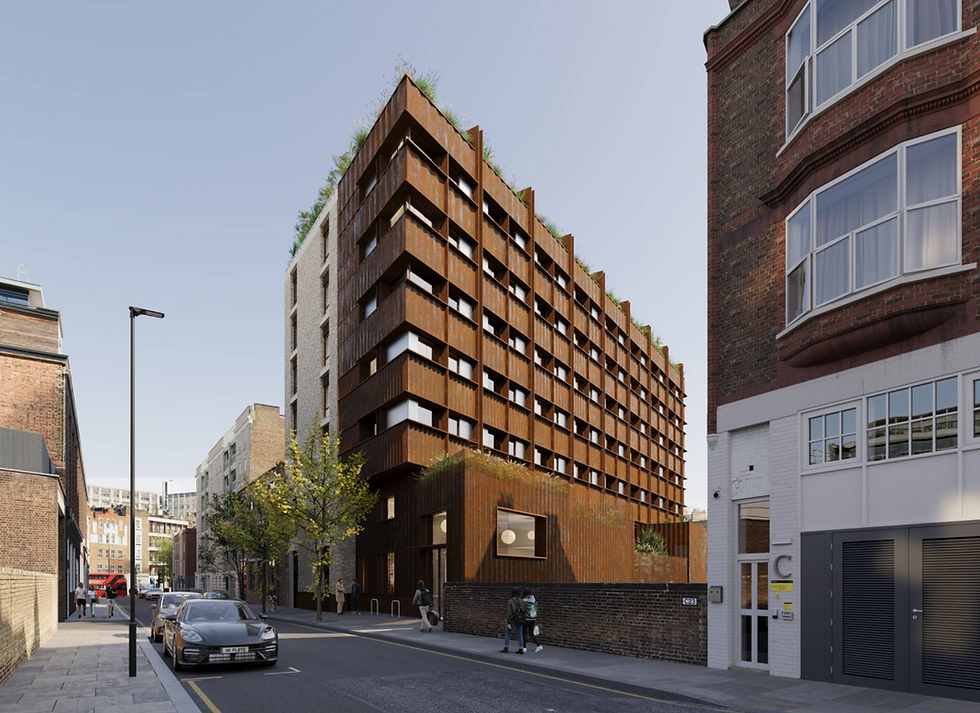
Exchequer Court is still an emerging proposal. Plans from WilkinsonEyre for client AmTrust would substantially increase office space on the site, while introducing public uses into the lower floors. Consultation gives the project team an opportunity to test how that ambition fits into a sensitive part of the City before the design becomes more settled.
The proposal also raises a familiar question about what a large commercial building contributes beyond its office floors. Public access and a landscaped garden form part of the offer. At this stage, those intentions are being put forward for discussion. Their eventual form will depend on the work that follows.
Kier’s return to pre-construction work on H50 at Harlow illustrates the long horizon involved in specialist development. The high-containment laboratories form part of an estate programme expected to enter service in 2038. Decisions being developed now will support scientific work with demanding operational requirements.
The reactivation of the agreement is progress, although main construction on the wider campus remains several years away. It is a reminder that the early stages of a project can involve considerable technical work without producing much visible change on the ground. For facilities of this kind, that work is central to establishing what can be delivered.
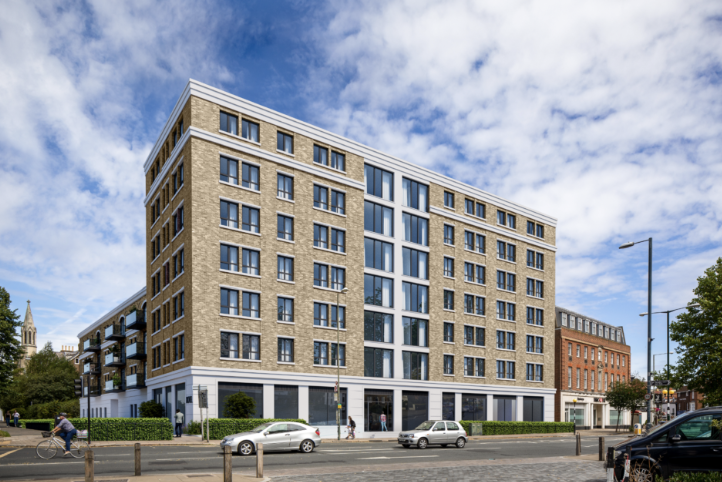
Kingston Bridge House offers a different application of careful preparation. Planning approval establishes a proposed future for a former student accommodation building as a hotel and homes. Changing a building’s purpose creates opportunities, while requiring a clear understanding of how its new uses will work together.
Elsewhere, the Tustin Estate regeneration has reached a much more detailed stage. Bouygues UK has achieved Gateway 2 approval for its Phase 2 of the scheme – a process requiring submission of nearly 900 documents and months of review.
Tustin is a scheme that includes a Higher Risk Building, under the Building Safety Act – but the industry needs to understand that it’s not just HRBs that are being impacted by this regulation. Not all buildings have to navigate the Gateways, but the Act’s requirements on competence and compliance apply across all buildings – as this year’s BESA Annual Conference highlighted.
This is perhaps the biggest story facing the property and construction sectors – what happens to designs when they meet real-world common practice. There are good reasons why site teams have traditionally been valued for resolving problems quickly.
Drawings encounter physical constraints, and products do not always arrive as expected. Keeping work moving requires judgement. But under the Building Safety Act, that judgement must also account for who is authorised and competent to make a change, and what responsibility follows from doing so.
Now, a seemingly small change by an experienced contractor may seem routine, but this behaviour could carry design responsibilities that they’re not qualified or insured to handle. That is a substantial adjustment to working culture.
This week’s projects show that the important decisions begin well before construction and continue through it. The industry is being asked to make the reasoning behind those decisions more explicit. BESA’s discussions suggest that this will require attention to the authority people hold in practice, especially when a familiar task takes them into design territory.
There is room here for professional judgement. Indeed, complex projects depend on it. The task is to give that judgement a sound basis and ensure the consequences of a change are understood before work proceeds. The quality of preparation matters most when it continues to guide what happens on site.
One to Watch: The boundary between installation and design
The conference’s discussion of the “inadvertent designer” deserves further attention. Altering a services route or substituting a product can bring design responsibilities into an installer’s work. How businesses identify that boundary, and equip their teams to recognise it, will influence everyday project practice. The wider dutyholder and competence requirements extend beyond higher-risk buildings, making this relevant across the industry.
Risk Radar: Responsibility without the conditions to exercise it
Greater accountability needs to be reflected in procurement and project programmes. If teams are expected to control design changes more rigorously, they need time to assess them and a clear route to obtain decisions. Commercial pressure to improvise and keep moving can pull in the opposite direction.
The risk is that formal responsibilities change while working expectations remain much the same. Clients and the wider supply chain need to support the processes they are asking contractors to follow. Otherwise, the people carrying responsibility may still face pressure to act before the implications have been properly considered.